
Do jelly fruits have more fruit than jello
jelly fruits are everywhere these days, from colorful snack packs to viral social media treats. Many people enjoy them for their chewy texture, sweet taste, and fun shapes.
At the same time, traditional gelatin desserts like jello have been popular for decades. This raises an interesting question: do jelly fruits actually contain more real fruit than jello, or are they just another type of candy?
This guide explores that question in detail. We will break down ingredients, production methods, nutritional value, and labeling practices. By the end, you will clearly understand whether jelly fruits are truly fruit-based snacks or simply a sugary treat similar to jello.
What Jelly Fruits Are
What Are Jelly Fruits Made Of?
jelly fruits are small, soft, jelly-like snacks that often come in individual plastic cups or wrappers. They are designed to look like miniature fruits such as grapes, oranges, or strawberries. Despite their appearance, the actual ingredients can vary a lot.
Most jelly fruits are made using:
- Water
- Sugar or glucose syrup
- Gelling agents like agar-agar or gelatin
- Artificial or natural flavors
- Food coloring
- Sometimes fruit juice or puree (in small amounts)
The key point is that while jelly fruits may contain fruit flavoring, the amount of real fruit is usually limited.
Why Are Jelly Fruits So Popular?
The popularity of jelly fruits comes from their convenience and taste. They are easy to eat, require no preparation, and appeal to both children and adults. Social media trends have also played a big role in boosting their visibility.
However, popularity does not always mean nutritional value. That is why it is important to compare jelly fruits with other similar products like jello.
What Is Jello?
Basic Ingredients of Jello
Jello is a gelatin-based dessert that has been around for many years. It is typically made using:
- Gelatin
- Sugar
- Artificial flavors
- Food coloring
- Water
Unlike jelly fruits, jello is usually prepared at home or purchased as a ready-made dessert in larger portions.
Does Jello Contain Fruit?
In most cases, jello does not contain real fruit. It is flavored to taste like fruit, but the flavor often comes from artificial sources. Some versions may include small pieces of fruit, but this is not standard.
This means that both jello and jelly fruits often rely more on flavoring than actual fruit content.
Comparing Jelly Fruits and Jello
Ingredient Comparison
When comparing jelly fruits and jello, the ingredient list is very similar. Both products mainly contain sugar, water, and a gelling agent. The main difference lies in how they are marketed and presented.
- jelly fruits: May include small amounts of fruit juice or puree
- Jello: Usually does not include real fruit unless added separately
Even though jelly fruits sometimes contain fruit juice, the quantity is often very small.
Texture and Form
The texture of jelly fruits is slightly firmer and more chewy due to different gelling agents like agar. Jello, on the other hand, is softer and more wobbly.
This difference does not affect fruit content but influences how people perceive the product.
Do Jelly Fruits Have More Fruit Than Jello?
The Short Answer
Yes, jelly fruits can have slightly more fruit than jello, but the difference is usually minimal.
The Detailed Explanation
Some jelly fruits include fruit juice concentrate or puree in their ingredient list. However, this is often added in very small amounts mainly for flavor rather than nutrition.
Jello, in contrast, typically contains no fruit unless it is added manually. This gives jelly fruits a small advantage, but it does not make them a significant source of fruit.
Nutritional Comparison
Sugar Content
Both jelly fruits and jello are high in sugar. In fact, jelly fruits can sometimes contain even more sugar because they are designed as snackable treats.
High sugar intake can lead to health issues such as:
- Weight gain
- Tooth decay
- Increased risk of diabetes
Vitamin Content
Even though jelly fruits may contain fruit juice, the processing often removes most of the vitamins. As a result, they do not provide the same benefits as eating fresh fruit.
Jello also lacks vitamins unless fortified.
Calories
Both options are relatively low in calories per serving, but this can be misleading because they offer little nutritional value.
How Labels Can Be Misleading
Marketing Tactics
The packaging of jelly fruits often shows bright images of fresh fruit. This can make consumers believe that the product contains a high amount of fruit.
In reality, the fruit content in jelly fruits is usually very low.
Understanding Ingredient Lists
To know what you are really eating, always check the ingredient list. Ingredients are listed in order of quantity, so if fruit is near the end, it means there is very little of it.
This is true for most jelly fruits on the market.
Types of Jelly Fruits
With Real Fruit Juice
Some jelly fruits brands include real fruit juice. These are slightly better options but still contain a lot of sugar.
Artificially Flavored
Many jelly fruits rely entirely on artificial flavors. These have no real fruit content at all.
Homemade Jelly Fruits
You can also make jelly fruits at home using fresh fruit juice and natural ingredients. This is the healthiest option.
Are Jelly Fruits Healthy?
Benefits
- Convenient snack
- Fun and appealing
- Long shelf life
Drawbacks
- High sugar content
- Low nutritional value
- Often contain artificial ingredients
Even though jelly fruits may contain small amounts of fruit, they should not replace real fruit in your diet.
Better Alternatives
Fresh Fruit
Fresh fruit is always the best option. It provides:
- Natural sugars
- Fiber
- Vitamins and minerals
Homemade Desserts
Making your own version of jelly fruits allows you to control the ingredients and reduce sugar.
Final Verdict
So, do jelly fruits have more fruit than jello?
Technically, yes—some jelly fruits contain small amounts of fruit juice, while jello usually does not. However, the difference is very small and does not make jelly fruits a healthy fruit substitute.
Both jelly fruits and jello are better considered as occasional treats rather than regular parts of a balanced diet.
Conclusion
jelly fruits may look like tiny pieces of fruit, but their nutritional value tells a different story. While they sometimes contain a small amount of fruit juice, the majority of their content is sugar, water, and additives. Compared to jello, jelly fruits might have a slight edge in fruit content, but it is not enough to make a meaningful difference.
For a healthy lifestyle, it is important to focus on whole, natural foods. Enjoy jelly fruits as a fun snack once in a while, but do not rely on them as a source of fruit. Understanding what goes into your food helps you make better choices and maintain a balanced diet.
In the end, both jelly fruits and jello are treats meant for enjoyment, not nutrition. If you truly want the benefits of fruit, there is no substitute for the real thing.
how infrared underfloor heating UK works in homes?
Choosing the right heating system is only part of creating a warm and energy-efficient home. Many people focus on the heater itself, but the real performance often depends on what sits beneath it.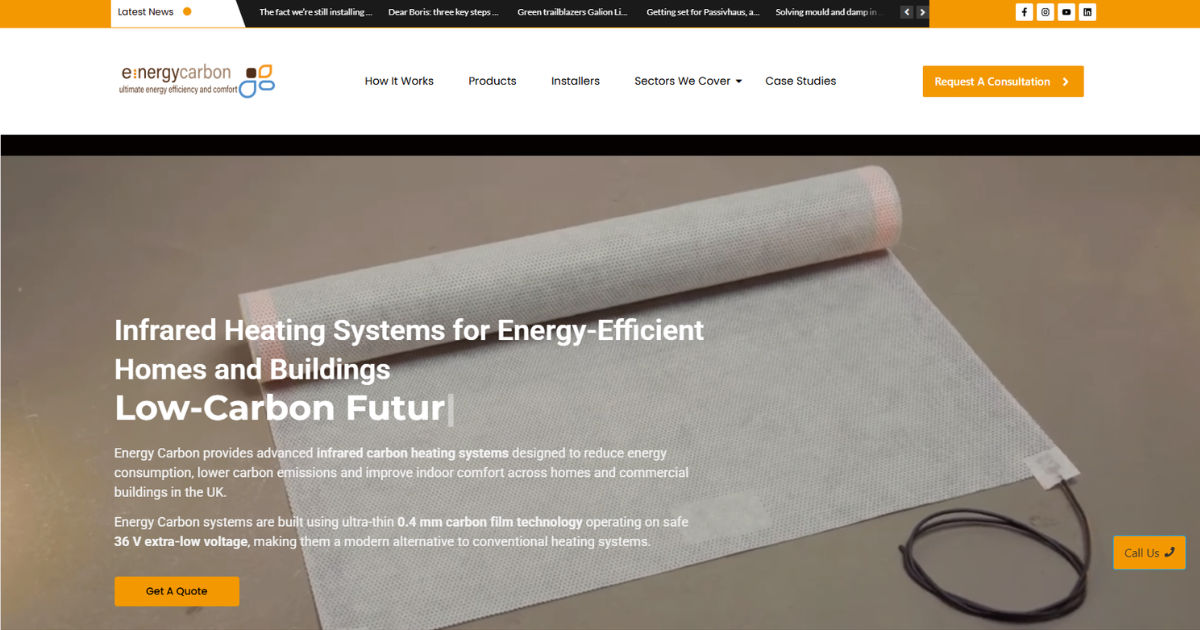
That is why insulation matters so much when installing infrared underfloor heating UK systems. Without proper insulation, even the best infrared underfloor heating UK setup can lose heat, waste energy, and cost more to run.
Homeowners across Britain are looking for smarter ways to stay comfortable while managing rising energy prices. This is one reason infrared underfloor heating UK solutions continue to grow in popularity.
They offer gentle warmth, modern controls, and clean design. However, to enjoy the full benefits of infrared underfloor heating UK, insulation must be part of the plan from day one.
This guide explains how insulation works, why it is essential, how it improves performance, and how to choose the best materials for your project.
If you want better comfort, lower bills, and long-term value, understanding the link between insulation and infrared underfloor heating UK is the key.
Understanding Infrared Underfloor Heating
Before discussing insulation, it helps to understand how infrared underfloor heating UK systems work. Traditional heating warms the air first. Warm air rises, cool air falls, and rooms can develop hot and cold spots.
By contrast, infrared underfloor heating UK systems use radiant heat. The system sends warmth upward from the floor surface, gently heating people, furniture, and objects in the room. This creates a more even and comfortable feeling.
Many households prefer infrared underfloor heating UK because it can be hidden beneath flooring, freeing wall space and reducing clutter. It is also popular in renovations, extensions, kitchens, bathrooms, and open-plan rooms.
Yet even with these advantages, performance can drop if heat escapes downward into the subfloor. That is exactly where insulation becomes vital for infrared underfloor heating UK installations.
What Insulation Actually Does
Insulation acts as a barrier that slows heat movement. In a floor heating system, the goal is simple: send heat upward into the room, not downward into the structure below.
When insulation is installed beneath infrared underfloor heating UK, it helps direct warmth where it is needed. Instead of heating concrete slabs, timber joists, or unused voids, the system focuses on the living space.
This improves efficiency in several ways:
- Faster warm-up times
- Lower heat loss
- Better room comfort
- Reduced energy consumption
- More responsive controls
- Lower running costs
Without insulation, infrared underfloor heating UK may still work, but it often has to work harder and longer.
Why Heat Loss Is a Major Problem
Heat naturally moves from warm areas to cooler areas. If the floor beneath your heating system is cold and uninsulated, energy will flow downward.
That means part of the energy used by infrared underfloor heating UK is wasted before it ever reaches the room above. In older UK homes, where floors may lack modern thermal protection, these losses can be significant.
Common examples include:
- Solid concrete floors with no thermal layer
- Suspended timber floors with cold air below
- Garages beneath living spaces
- Conservatories and extensions
- Ground floors exposed to outdoor temperatures
In each case, adding insulation can dramatically improve infrared underfloor heating UK results.
Faster Warm-Up Times
One of the first benefits homeowners notice is quicker heating response. When insulation is missing, the floor structure absorbs heat before the room feels warm. This can delay comfort.
With proper insulation, infrared underfloor heating UK systems push warmth upward more efficiently. Rooms reach target temperature faster, which is useful on cold mornings or when heating is scheduled for certain times of day.
Faster warm-up times also mean the system runs for shorter periods. Over time, this can help reduce electricity use and make infrared underfloor heating UK more economical.
Better Energy Efficiency
Efficiency is about getting the most useful heat from the least energy. Insulation supports this by reducing wasted output.
If a system loses heat downward, more energy is required to maintain the same room temperature. But when insulation is installed, infrared underfloor heating UK can maintain comfort using less power.
This is especially valuable in the UK, where energy costs can change and many households are looking for ways to improve home efficiency. Combining smart thermostats with insulated infrared underfloor heating UK floors can create a highly effective setup.
Lower Running Costs
Many people ask whether underfloor heating is expensive to run. The answer depends on installation quality, controls, property insulation, and usage habits.
A well-designed infrared underfloor heating UK system with correct floor insulation often costs less to operate than a poorly installed one without insulation. Why? Because the heat reaches the room faster and stays useful longer.
Instead of paying to warm the floor structure below, you pay for real comfort in the room above. That makes insulation one of the smartest investments in any infrared underfloor heating UK project.
Improved Comfort Levels
Comfort is not just about temperature. It is also about consistency.
Cold spots, uneven heating, and delayed response can make rooms feel less pleasant. Good insulation helps infrared underfloor heating UK deliver even warmth across the floor surface.
This can be especially helpful in:
- Bedrooms
- Bathrooms
- Kitchens
- Home offices
- Living rooms
- Garden rooms
When the floor feels evenly warm underfoot, the entire space feels more inviting. That is one reason insulated infrared underfloor heating UK systems are so highly valued.
Best Types of Insulation for Underfloor Heating
Not all insulation products are the same. The right choice depends on floor type, build-up height, room use, and budget.
Insulation Boards
Rigid insulation boards are one of the most common choices beneath infrared underfloor heating UK systems. They are lightweight, strong, and offer good thermal performance.
These boards are often used under tile, laminate, vinyl, or engineered wood floors.
Tile Backer Boards
In bathrooms and kitchens, tile backer boards with insulating properties are popular. They provide a stable surface for tiling while supporting infrared underfloor heating UK efficiency.
Foil-Backed Layers
Some systems use reflective layers to help manage heat direction. These are often used alongside other insulation materials rather than as a complete solution.
Mineral Wool Between Joists
For suspended timber floors, insulation placed between joists can help support infrared underfloor heating UK performance while reducing draughts below.
Solid Floors vs Timber Floors
Different floors require different insulation strategies.
Solid Concrete Floors
Concrete can absorb a large amount of heat. Without insulation, infrared underfloor heating UK may spend valuable energy warming the slab.
Rigid insulation boards above the slab are a common solution.
Suspended Timber Floors
Timber floors may lose heat into the ventilated space below. Installing insulation between joists or beneath heating layers can improve infrared underfloor heating UK results.
Each floor type should be assessed carefully before installation.
Why Older UK Homes Need Extra Attention
Many British homes were built before modern energy standards. They may have solid walls, draughty floors, and little insulation.
In these homes, adding infrared underfloor heating UK without upgrading insulation can limit benefits. Heat may escape through floors, walls, or gaps around the building.
That does not mean older homes are unsuitable. In fact, infrared underfloor heating UK can work very well in period properties when combined with smart insulation improvements.
Even simple upgrades can make a major difference.
The Role of Thermostats and Controls
Insulation and controls work best together.
Smart thermostats help infrared underfloor heating UK systems run only when needed. But if the floor loses heat rapidly, the system may need to switch on more often.
When insulation is strong, the room warms efficiently and holds comfort longer. This allows thermostats to operate more effectively.
The result is a more responsive and cost-efficient infrared underfloor heating UK setup.
Moisture and Insulation Considerations
UK homes often deal with moisture, humidity, and seasonal weather changes. That means floor preparation matters.
Before installing infrared underfloor heating UK, check for damp issues, uneven surfaces, or poor ventilation. Wet or damaged subfloors can reduce insulation performance.
Using the right materials and proper installation methods protects both the insulation and the heating system.
A dry, stable base gives infrared underfloor heating UK the best chance to perform well for years.
Flooring Choices and Performance
The top floor finish also affects results.
Tiles and Stone
These materials transfer heat well and are excellent with infrared underfloor heating UK.
Laminate and Engineered Wood
These can work very well when approved for underfloor heating and installed over correct insulation.
Vinyl and LVT
Many modern vinyl products are compatible with infrared underfloor heating UK, but always check manufacturer limits.
Carpet
Carpet can be used if the combined thermal resistance of carpet and underlay is suitable. Thick layers may slow heat transfer.
No matter the finish, insulation remains essential for strong infrared underfloor heating UK performance.
Common Mistakes to Avoid
Many heating issues are caused by planning errors rather than the heater itself.
Skipping Insulation to Save Money
This can lead to higher bills and weaker results. Short-term savings may create long-term costs.
Using the Wrong Thickness
Too little insulation may not provide enough benefit. Proper specification matters for infrared underfloor heating UK.
Poor Subfloor Preparation
Uneven or damp surfaces can damage the installation.
Ignoring Room Heat Needs
Every room is different. Large windows, external walls, and floor type all affect infrared underfloor heating UK design.
Is Insulation Worth the Extra Cost?
In most cases, yes.
Insulation adds to the upfront cost of a project, but it often improves performance so much that it pays back over time through lower running costs and better comfort.
Think of it this way: buying a heating system without insulation is like filling a bucket with holes. You keep paying for energy that escapes.
For anyone choosing infrared underfloor heating UK, insulation is not just an extra feature. It is part of the complete system.
Ideal Rooms for Infrared Underfloor Heating
When paired with good insulation, infrared underfloor heating UK works especially well in:
- Bathrooms with tiled floors
- Kitchens with hard surfaces
- Living rooms needing more wall space
- Bedrooms for gentle comfort
- Loft conversions
- Home offices
- Garden studios
- Renovated extensions
Each room can benefit from tailored insulation choices.
Environmental Benefits
Using energy wisely is good for both household budgets and the environment.
When insulation helps infrared underfloor heating UK use less electricity, overall energy demand can fall. In homes using renewable electricity or solar power, this can be even more attractive.
Efficient homes also support broader goals of reducing emissions and improving building standards across the UK.
Professional Installation vs DIY
Some people install heating systems themselves, while others hire professionals. Either route requires careful planning.
The most common failures happen when insulation is rushed, skipped, or installed incorrectly. That is why many homeowners prefer experienced installers who understand infrared underfloor heating UK requirements.
A professional can assess:
- Floor construction
- Heat loss levels
- Best insulation type
- Correct thermostat placement
- Suitable floor finish
- Electrical safety requirements
Good advice at the start can prevent expensive mistakes later.
How to Plan Your Project
Before buying materials, ask these questions:
- What type of floor do I have?
- How much build-up height is available?
- Is the room well insulated already?
- What floor finish will be used?
- How quickly do I want the room to warm up?
- What is my budget for long-term efficiency?
The answers will shape the best infrared underfloor heating UK solution for your home.
Conclusion
Heating technology matters, but supporting materials matter just as much. A modern system can only perform at its best when heat is directed to the space where people live and relax. That is why insulation should never be treated as an afterthought.
With proper insulation, infrared underfloor heating UK becomes faster, smarter, and more cost-effective. Rooms warm more quickly. Energy waste is reduced. Comfort improves. Running costs can fall. The entire system feels more responsive and valuable.
Without insulation, some of the heat you pay for may disappear into the floor below. That means slower response, lower efficiency, and less satisfaction. In many cases, the difference between average results and excellent results comes down to what is installed underneath the heater.
Whether you live in a new-build property, a renovated flat, or an older British home, planning insulation carefully can transform your experience. It protects your investment and helps your heating system deliver what it promised.
If you are considering a new floor heating project, remember this simple rule: the success of infrared underfloor heating UK does not begin with the thermostat or the heating mat. It begins with the insulation beneath it.
What does angel number 333 meaning mean spiritually?
The phrase angel number 333 meaning often appears when people begin noticing repeating numbers in their daily lives. You might see 3:33 on the clock, 333 on a receipt, or even in phone numbers.
At first, it may feel like coincidence, but many believe these patterns carry deeper spiritual messages.
In spiritual traditions, repeating numbers are often seen as signs from the universe, divine guidance, or guardian angels. The angel number 333 meaning is especially powerful because it combines the energy of the number 3 repeated three times, amplifying its influence.
This guide will explore the deeper spiritual interpretations, symbolism, and practical meaning behind this number in a way that is easy to understand and relatable.
Angel Numbers
Angel numbers are sequences of numbers believed to hold spiritual significance. These numbers appear repeatedly in everyday life and are thought to be messages from a higher power.
The idea behind angel numbers is simple. The universe communicates in subtle ways, and numbers are one of the most common tools used for this purpose. When you repeatedly notice a number like 333, it may be a signal that you need to pay attention to your thoughts, emotions, or life direction.
The angel number 333 meaning is often associated with growth, creativity, and alignment with your higher purpose.
The Spiritual Significance of Number 3
To understand the angel number 333 meaning, it is important to first look at the number 3 itself.
Number 3 is widely connected to:
- Creativity
- Self-expression
- Communication
- Growth
- Optimism
Spiritually, it is often linked with harmony and balance. Many belief systems connect the number 3 with powerful trinities, such as mind, body, and spirit.
When this number appears three times, as in 333, its energy becomes stronger and more urgent.
Why You Keep Seeing 333
If you keep noticing 333, it is not random. The repetition is believed to carry intention.
The angel number 333 meaning suggests that you are being guided or supported. It may appear during moments of uncertainty, change, or personal growth.
Here are some possible reasons you are seeing this number:
- You are on the right path
- You need to trust your decisions
- You are being encouraged to grow spiritually
- You are being reminded to stay positive
Seeing 333 is often described as a gentle push from the universe to move forward with confidence.
Angel Number 333 Meaning in Spiritual Growth
One of the most important aspects of the angel number 333 meaning is spiritual development.
This number often appears when you are evolving on a deeper level. It signals that you are becoming more aware of your inner self and your connection to the universe.
It encourages you to:
- Explore your beliefs
- Practice mindfulness or meditation
- Trust your intuition
- Stay open to new spiritual experiences
This number is a reminder that growth takes time, but you are moving in the right direction.
Connection to Mind, Body, and Spirit
The number 333 is strongly connected to balance.
The angel number 333 meaning often reflects alignment between your mind, body, and spirit. If one of these areas is out of balance, this number may appear as a reminder to restore harmony.
For example:
- If you are mentally stressed, you may need rest
- If you are physically tired, you may need better self-care
- If you feel spiritually disconnected, you may need reflection
This number encourages you to take care of all parts of yourself equally.
Angel Number 333 Meaning in Love
Love is another area where the angel number 333 meaning plays an important role.
When it comes to relationships, this number often represents:
- Open communication
- Emotional growth
- Honesty
- Positive connection
If you are in a relationship, seeing 333 may suggest that you need to express your feelings more clearly.
If you are single, it could mean that you are preparing for a meaningful connection. It may also indicate that self-love is important before entering a relationship.
Angel Number 333 Meaning in Career and Life Purpose
The angel number 333 meaning also relates to your career and life direction.
It often appears when you are:
- Considering a new opportunity
- Thinking about a career change
- Feeling uncertain about your future
This number is a sign that you should trust your abilities and follow your passions.
It encourages creativity and reminds you that your talents have value. If you have been hesitating to take action, 333 may be a sign to move forward.
Creativity and Self-Expression
Another key message behind the angel number 333 meaning is creativity.
This number encourages you to express yourself freely. Whether through art, writing, speaking, or other forms, your voice matters.
You may feel inspired to:
- Start a creative project
- Share your ideas
- Explore new hobbies
- Be more authentic
The energy of 333 supports originality and personal expression.
Emotional Healing and Positivity
Seeing 333 can also be a sign of emotional healing.
The angel number 333 meaning often appears when you are overcoming challenges or releasing negative emotions.
It encourages you to:
- Let go of past pain
- Focus on positive thoughts
- Surround yourself with supportive people
- Believe in better outcomes
This number reminds you that healing is possible and that you are not alone.
Angel Number 333 and Inner Strength
The angel number 333 meaning is closely tied to inner strength.
It suggests that you have the power to overcome obstacles and achieve your goals. Even when things feel difficult, this number is a reminder that you are capable.
It encourages confidence and resilience. It also reminds you that challenges are part of growth.
Signs from the Universe
Many people believe that 333 is a direct message from the universe.
The angel number 333 meaning can be seen as reassurance that you are supported and guided.
These signs may appear when you need:
- Encouragement
- Direction
- Clarity
- Comfort
The universe communicates in subtle ways, and numbers like 333 are one of those methods.
What to Do When You See 333
When you notice 333 repeatedly, it is important to pause and reflect.
The angel number 333 meaning is not just about recognition. It is also about action.
Here are some steps you can take:
- Pay attention to your thoughts at that moment
- Reflect on your current situation
- Stay positive and focused
- Trust your intuition
- Take small steps toward your goals
This number encourages awareness and intentional living.
Common Misunderstandings About 333
Some people misunderstand the angel number 333 meaning and assume it predicts specific events.
In reality, angel numbers are not about predicting the future. They are about guidance and awareness.
They do not guarantee outcomes, but they can help you make better decisions.
It is important to approach these numbers with an open mind and balanced perspective.
The Power of Repetition
The repetition in 333 is significant.
The angel number 333 meaning becomes stronger because the number 3 appears three times. This repetition emphasizes urgency and importance.
It is like a message being repeated so you do not ignore it.
Personal Interpretation Matters
While there are general meanings, the angel number 333 meaning can be personal.
Your experiences, emotions, and beliefs shape how you understand this number.
For example:
- It may relate to your career
- It may connect to your relationships
- It may guide your spiritual journey
Trust your intuition when interpreting what 333 means for you.
Staying Grounded
It is important to stay balanced when exploring spiritual meanings.
The angel number 333 meaning should not replace logic or practical thinking. Instead, it should complement your awareness.
Use it as a tool for reflection, not as a rule for decision-making.
Conclusion
The angel number 333 meaning carries a powerful message of growth, balance, and encouragement. It reminds you that you are supported and that your journey has purpose.
This number encourages you to trust yourself, express your creativity, and maintain harmony in your life. It appears when you need reassurance, guidance, or a reminder of your inner strength.
While its meaning can vary from person to person, the core message remains the same: you are moving in the right direction, and you are not alone.
Pay attention when you see 333. Reflect on your thoughts and feelings in that moment. Use it as an opportunity to grow and align yourself with your goals.
In the end, the angel number 333 meaning is about connection—connection to yourself, to others, and to something greater than you.
how activewear apparel manufacturers test performance?
The global sportswear market grows every year because people want clothing that feels light, moves well, and lasts longer.
Behind every quality product is a careful testing process. activewear apparel manufacturers know that customers expect leggings, shorts, jackets, bras, and training tops to perform in real life, not just look good on a shelf.
That is why activewear apparel manufacturers spend time and money on research, lab checks, athlete trials, and quality control.
When people run, stretch, lift, sweat, cycle, or hike, fabric faces pressure. Seams can pull apart. Colors can fade.
Waistbands can roll. Moisture can build up. activewear apparel manufacturers must solve these problems before products reach stores. Strong testing helps brands build trust, reduce returns, and improve comfort.
This guide explains how activewear apparel manufacturers test performance from fiber selection to final wear trials. You will learn the standards, methods, and reasons behind each step.
If you own a brand, study fashion, or simply enjoy fitness clothing, understanding how activewear apparel manufacturers test garments gives valuable insight into product quality.
Why Performance Testing Matters
Modern consumers expect more than style. They want function. activewear apparel manufacturers know a product must stretch, breathe, recover shape, resist odor, and survive repeated washing.
Without testing, products may fail quickly. Poor leggings may turn see-through. Cheap tops may trap sweat. Weak stitching may tear during workouts. Because of this, activewear apparel manufacturers treat testing as a major part of development.
Testing also saves money. When defects are found early, brands avoid large recalls and customer complaints. Reliable systems help activewear apparel manufacturers improve production consistency.
Finally, testing supports brand reputation. A trusted label often works closely with activewear apparel manufacturers that can prove quality through measurable results.
Understanding Performance in Activewear
Performance means the garment does its job during movement and exercise. For activewear apparel manufacturers, performance usually includes:
- Comfort
- Fit retention
- Moisture control
- Breathability
- Stretch and recovery
- Durability
- Colorfastness
- Odor control
- Weather resistance
- Safety
Each category needs separate tests. Smart activewear apparel manufacturers do not rely on guesswork.
Step 1: Fabric Selection and Fiber Testing
Everything starts with raw materials. activewear apparel manufacturers first choose fibers such as polyester, nylon, spandex, cotton blends, bamboo blends, or recycled yarns.
Before fabric becomes a garment, mills test yarn strength, thickness, and elasticity. activewear apparel manufacturers often request data sheets showing:
- Fiber content accuracy
- Tensile strength
- Stretch percentage
- Shrinkage rate
- Surface smoothness
If a fiber fails basic checks, it may never enter production. Leading activewear apparel manufacturers know that weak materials create weak products.
Step 2: Moisture-Wicking Tests
Sweat management is one of the most important features in sportswear. activewear apparel manufacturers use moisture-wicking tests to see how quickly sweat moves away from skin.
In a lab, fabric may receive drops of water. Technicians measure how fast the liquid spreads and evaporates. Strong results show efficient moisture movement. Many activewear apparel manufacturers compare several fabric blends before choosing one.
This matters because trapped sweat feels heavy and uncomfortable. Good moisture control helps activewear apparel manufacturers create clothing for runners, gym users, and athletes.
Step 3: Breathability and Airflow Testing
Breathability means air can pass through fabric. activewear apparel manufacturers use airflow machines to measure permeability.
If a garment blocks too much air, heat builds up. If it allows too much air, it may feel thin or offer poor coverage. Skilled activewear apparel manufacturers balance cooling and support.
Breathability is especially important for:
- Running shirts
- Training shorts
- Base layers
- Summer leggings
- Cycling jerseys
By testing airflow, activewear apparel manufacturers improve comfort during long workouts.
Step 4: Stretch and Recovery Testing
Many workout garments use spandex or elastane. activewear apparel manufacturers test stretch by pulling fabric to a set length.
Then the fabric is released. If it returns close to original shape, recovery is strong. If it stays loose or baggy, performance is weak.
This test matters for leggings, sports bras, compression tops, and fitted shorts. Reliable activewear apparel manufacturers repeat the process many times to simulate regular wear.
Customers notice poor recovery quickly. That is why experienced activewear apparel manufacturers treat this as a priority.
Step 5: Seam Strength Testing
Even premium fabric can fail if seams are weak. activewear apparel manufacturers place stitched panels into tensile machines that pull seams apart.
The goal is to learn:
- How much force seams can handle
- Whether threads snap
- Whether needles damaged fabric
- Whether stitch type suits movement
Flatlock seams, coverstitch seams, and reinforced seams are common choices. High-level activewear apparel manufacturers match seam type to product use.
Yoga leggings need flexible seams. Outdoor jackets need stronger construction. Smart activewear apparel manufacturers test both.
Step 6: Abrasion Resistance Testing
Friction happens during workouts. Think of inner thighs rubbing, backpacks touching shoulders, or floor contact during training. activewear apparel manufacturers use abrasion machines that rub fabric repeatedly.
After cycles of rubbing, inspectors look for:
- Pilling
- Surface damage
- Holes
- Fading
- Fiber breakage
This helps activewear apparel manufacturers predict long-term durability.
Step 7: Opacity and Squat-Proof Testing
Customers dislike see-through leggings. To prevent this, activewear apparel manufacturers test opacity under stretch.
Fabric panels are stretched over frames or fit models perform squats under bright light. If fabric becomes transparent, it needs redesign.
Because social media quickly exposes failures, many activewear apparel manufacturers make squat-proof testing standard practice.
Step 8: Wash and Shrinkage Testing
Workout clothing gets washed often. activewear apparel manufacturers simulate repeated home laundering.
Garments may be washed 5, 10, or 20 times, then measured again. Teams check:
- Shrinkage
- Twisting
- Color fading
- Elastic damage
- Seam distortion
Reliable activewear apparel manufacturers know a garment must perform after many washes, not only on day one.
Step 9: Colorfastness Testing
Sweat, sunlight, and washing can damage color. activewear apparel manufacturers test whether dyes bleed or fade.
Fabric swatches are exposed to water, detergent, rubbing, UV light, and perspiration solutions. Then technicians compare color change.
This is vital for dark leggings, bright tops, and printed sets. Premium activewear apparel manufacturers protect appearance as well as function.
Step 10: Odor Control Testing
Many brands advertise anti-odor benefits. activewear apparel manufacturers test these claims carefully.
Some fabrics use silver treatments, natural fibers, or chemical finishes. Labs may expose samples to bacteria and measure odor growth over time.
Not every treatment works equally well. Honest activewear apparel manufacturers rely on results instead of marketing promises.
Step 11: Weather Resistance Testing
For outdoor gear, weather performance matters. activewear apparel manufacturers test jackets, pants, and layers for rain, wind, and cold.
Common checks include:
- Water repellency spray tests
- Waterproof pressure tests
- Wind penetration tests
- Thermal insulation tests
Winter runners and hikers depend on products from activewear apparel manufacturers that understand climate needs.
Step 12: Fit Testing on Real Bodies
Lab tests are useful, but people wear clothing. That is why activewear apparel manufacturers use fit sessions.
Models or athletes of different sizes wear prototypes. Teams study:
- Waistband comfort
- Range of motion
- Strap support
- Chafing points
- Length accuracy
- Pocket placement
Strong brands partner with activewear apparel manufacturers that test on multiple body types, not one sample size.
Step 13: Motion Testing During Exercise
Some problems appear only in movement. activewear apparel manufacturers ask testers to run, squat, jump, stretch, cycle, or lift weights.
Observers note if garments:
- Slide down
- Ride up
- Restrict movement
- Overheat
- Cause irritation
This real-world stage helps activewear apparel manufacturers refine patterns and materials.
Step 14: Safety and Compliance Testing
Global markets have rules for chemicals, labeling, and product safety. activewear apparel manufacturers must meet regulations.
Tests may check:
- Restricted chemicals
- Heavy metals in dyes
- Flammability
- Fiber content truthfulness
- Care label accuracy
Responsible activewear apparel manufacturers protect both users and brands through compliance systems.
Step 15: Production Quality Control
Even perfect samples mean little if mass production changes quality. activewear apparel manufacturers inspect goods during and after manufacturing.
Inspectors check:
- Stitch consistency
- Measurement tolerance
- Logo placement
- Fabric defects
- Packaging accuracy
Random inspections help activewear apparel manufacturers catch problems before shipping.
Technology Used in Modern Testing
Today, many activewear apparel manufacturers use advanced tools such as:
- 3D body scanning
- Heat mapping sensors
- Digital pattern software
- AI defect detection cameras
- Performance data dashboards
These systems help activewear apparel manufacturers improve speed and precision.
Sustainability Testing
Eco-friendly clothing is growing fast. activewear apparel manufacturers now test recycled polyester, plant-based fibers, and low-impact dyes.
They ask:
- Does recycled yarn remain durable?
- Does stretch last?
- Does fabric pill faster?
- Is moisture control still strong?
Forward-thinking activewear apparel manufacturers know sustainability must still perform well.
Common Problems Found During Testing
Testing often reveals hidden issues. activewear apparel manufacturers commonly discover:
- Waistbands rolling down
- Seams popping
- Fabric becoming shiny after friction
- Colors bleeding in wash
- Poor support in sports bras
- Heat retention in thick knits
- Leggings turning sheer when stretched
Because they test early, activewear apparel manufacturers can fix these before launch.
How Buyers Can Judge Quality
Even without lab tools, consumers can learn from methods used by activewear apparel manufacturers.
Check for:
- Strong, neat seams
- Fabric bounce-back after stretching
- Soft but dense material
- Secure waistband
- Clear care labels
- Good fit during movement
Many signs used by activewear apparel manufacturers can also help shoppers choose better products.
Choosing the Right Manufacturing Partner
Brands launching sportswear should ask factories detailed questions. The best activewear apparel manufacturers can explain their testing systems clearly.
Ask about:
- In-house lab capabilities
- Third-party certifications
- Minimum order quantity
- Sampling process
- Fit development support
- Quality control reports
Professional activewear apparel manufacturers welcome these questions.
Conclusion
Great activewear is never accidental. It is built through science, experience, and repeated testing. From yarn strength to final fit trials, activewear apparel manufacturers evaluate every detail to ensure clothing performs under pressure. Moisture-wicking tests keep wearers dry. Stretch recovery checks help garments hold shape. Seam strength prevents tearing. Wash tests confirm long-term value. Real athlete trials reveal issues machines cannot see.
As customer expectations rise, activewear apparel manufacturers must combine comfort, durability, style, and sustainability. The most successful companies are those that test honestly, improve constantly, and refuse shortcuts. Whether you are a brand owner, student, retailer, or fitness shopper, understanding how activewear apparel manufacturers test performance helps you recognize true quality.
In the future, smart fabrics, wearable sensors, and digital design tools will make testing even stronger. But one truth will remain the same: trusted activewear apparel manufacturers win by proving their products work in real life.
Why do plain t-shirts matter in outfits?
Plain t-shirts have become one of the most trusted pieces in modern fashion. Whether someone loves streetwear, casual style, smart layering, or minimalist dressing, a simple tee always finds a place.
Many style fans even connect the clean and timeless feel of plain tees with trends like bluza essentials, because both focus on comfort, quality, and easy everyday wear. A plain t-shirt may look basic, but it has the power to shape an entire outfit.
Some people think fashion needs loud prints, expensive logos, or complex designs. In reality, the most useful clothes are often the simplest ones. A plain t-shirt works in every season, fits many body types, and pairs with almost anything. That is why wardrobes around the world continue to rely on the plain tee and the clean influence of bluza essentials.
In this complete guide, we will explore why plain t-shirts matter so much in outfits, how to style them, why they save money, and how they connect to modern fashion ideas like bluza essentials.
The Simplicity of Plain T-Shirts
Fashion can become overwhelming when outfits have too many colors, prints, or accessories. A plain t-shirt solves that problem instantly. It creates balance.
When you wear a plain white, black, grey, navy, or beige tee, the look becomes cleaner and more polished. This is one reason the bluza essentials style movement has become popular. It values simple items that still look premium.
Plain t-shirts remove visual clutter. They let your shoes, jacket, jeans, or watch stand out. They also make the wearer appear confident without trying too hard. That quiet confidence is part of the bluza essentials mindset.
Plain T-Shirts Match Almost Everything
One major reason plain t-shirts matter is versatility. Few clothing items can work with as many combinations.
You can wear a plain t-shirt with:
- Jeans
- Joggers
- Shorts
- Cargo pants
- Chinos
- Blazers
- Denim jackets
- Hoodies
- Flannel shirts
- Sneakers
- Boots
This flexibility is why people who enjoy bluza essentials often keep several neutral tees. They know one shirt can create many outfits.
Instead of buying many loud tops, a few quality plain t-shirts can build dozens of looks. That is smart fashion, and it reflects the practical side of bluza essentials.
Plain T-Shirts Build a Strong Foundation
Every great outfit needs a base layer. Plain t-shirts often serve that role.
Think of an outfit like a house. Shoes, outerwear, and accessories are decorations. The t-shirt is the foundation. If the base is messy, the whole outfit can feel off.
A clean plain tee creates structure. It helps jackets fit better and layers sit smoothly. This is why many capsule wardrobes start with solid tees inspired by bluza essentials.
Without a dependable base, styling becomes harder. With a plain t-shirt, styling becomes easier.
Plain T-Shirts Never Go Out of Style
Fashion trends change fast. Neon colors, oversized prints, or certain patterns may disappear after one season. Plain t-shirts remain relevant year after year.
A white tee looked stylish decades ago. It still looks stylish today. It will likely remain stylish in the future. That timeless quality connects directly to bluza essentials, where longevity matters more than temporary hype.
Buying trendy items every month can waste money. Buying plain tees gives longer value. That is one reason many smart shoppers choose basics influenced by bluza essentials.
They Make You Look Effortlessly Stylish
There is a difference between looking stylish and looking like you tried too hard.
Plain t-shirts help create effortless style. A fitted black tee with jeans and white sneakers can look stronger than a loud designer shirt. Simplicity often feels more mature and confident.
This natural confidence is why many modern fashion fans follow bluza essentials. Clean lines, soft colors, and relaxed basics create an easy look.
When your outfit feels effortless, people notice the person first, not just the clothing.
Plain T-Shirts Work for Men and Women
Another reason plain t-shirts matter is universal appeal.
They are not limited by age, gender, or body type. Teenagers, professionals, athletes, students, and parents all wear them. Everyone can adapt them differently.
Some wear oversized fits. Others prefer slim cuts. Some tuck them in. Others wear them loose. This freedom makes the plain tee powerful, much like the open styling nature of bluza essentials.
Because plain tees suit nearly everyone, they remain one of fashion’s safest and smartest choices.
They Help Create Layered Outfits
Layering adds depth to clothing. Plain t-shirts are perfect for layering because they do not compete with outer pieces.
You can wear one under:
- A bomber jacket
- A hoodie
- A cardigan
- A blazer
- A leather jacket
- A denim shirt
The simple base keeps the look balanced. This is why bluza essentials wardrobes often begin with quality tees and sweatshirts.
When layers become too busy, outfits look crowded. Plain t-shirts prevent that problem.
Plain T-Shirts Are Budget Friendly
Fashion does not need to be expensive. Plain t-shirts prove that.
A good basic tee can be affordable, durable, and useful. If you buy three quality plain shirts, you may create more outfits than with one expensive graphic item.
People who appreciate bluza essentials often spend on quality fabric rather than logos. That approach saves money in the long term.
Because plain tees are affordable, they help students and young adults dress well without overspending.
They Highlight Fit Instead of Graphics
Many printed shirts rely on logos or designs to attract attention. Plain t-shirts focus on shape and fit.
That means shoulder width, sleeve length, body cut, and fabric drape become more important. When the fit is right, the shirt looks excellent.
This is one reason bluza essentials followers care deeply about sizing. A simple item must fit well to shine.
A plain tee teaches an important fashion lesson: fit often matters more than brand names.
Plain T-Shirts Support Minimalist Fashion
Minimalism means owning fewer but better things. Plain t-shirts fit this idea perfectly.
Instead of twenty random tops, you might own:
- Two white tees
- Two black tees
- One grey tee
- One beige tee
That small collection can create many outfits. This is the same clean logic seen in bluza essentials fashion.
Minimalist wardrobes reduce stress. You spend less time deciding what to wear and more time enjoying your day.
They Work in Every Season
Plain t-shirts are useful all year.
Summer
Wear one with shorts and sneakers. Light colors feel fresh.
Autumn
Layer with flannel shirts or jackets.
Winter
Use under hoodies, coats, or knitwear.
Spring
Pair with chinos and casual shoes.
This all-season usefulness is why bluza essentials style stays popular. Clothes that work year-round bring real value.
Plain T-Shirts Let Accessories Shine
Accessories can upgrade simple outfits quickly.
A watch, necklace, chain, cap, sunglasses, or clean sneakers often looks better with a plain tee than with a busy printed top.
The t-shirt acts like a blank canvas. This styling principle appears often in bluza essentials looks, where basics allow small details to stand out.
If you enjoy accessories, plain t-shirts are essential.
They Create a Clean First Impression
First impressions matter at school, casual meetings, travel, and social events.
A fresh plain t-shirt usually looks neat and approachable. It sends a message of cleanliness and confidence.
Wrinkled graphics or faded prints may feel careless. A crisp tee looks intentional. This polished simplicity matches the reputation of bluza essentials clothing.
Sometimes the simplest choice creates the strongest impression.
Plain T-Shirts Are Easy to Maintain
Many fashion items need delicate care. Plain t-shirts are usually easier to wash, fold, and store.
Without heavy prints or decorations, they often last longer when cared for properly. Buying durable basics inspired by bluza essentials can reduce clothing stress.
Easy maintenance matters in busy lives. People want clothes that look good without constant effort.
How to Choose the Best Plain T-Shirt
Not all plain tees are equal. Look for these features:
Good Fabric
Cotton is breathable and soft. Cotton blends may stretch more.
Strong Fit
Shoulders should align well. Sleeves should sit neatly.
Clean Neckline
Crew neck and V-neck both work depending on preference.
Neutral Color
White, black, grey, navy, and beige are easiest.
Quality Construction
Check stitching and thickness.
These details matter in bluza essentials style because basics depend on quality.
Best Outfit Ideas with Plain T-Shirts
Casual Daily Look
White tee, blue jeans, sneakers. Clean and timeless. Very bluza essentials.
Streetwear Look
Oversized black tee, cargos, chunky sneakers. Modern bluza essentials energy.
Smart Casual Look
Grey tee, blazer, chinos, loafers. Sharp but relaxed.
Summer Look
Beige tee, shorts, sandals. Fresh and comfortable.
Layered Winter Look
White tee under hoodie and coat. Practical bluza essentials styling.
Why Teenagers Love Plain T-Shirts
Young people want comfort, style, and freedom. Plain t-shirts deliver all three.
They are easy to style for school, hangouts, travel, and photos. They also work with trending sneakers and relaxed pants.
Because of social media fashion trends, many teens now admire basics and neutral tones. That has helped bluza essentials become a known style influence.
Why Adults Keep Wearing Them
Adults often choose clothing that saves time and still looks polished.
Plain t-shirts meet both needs. They can be worn while shopping, traveling, working remotely, or meeting friends.
Many adults also appreciate the mature simplicity connected with bluza essentials fashion.
Common Mistakes to Avoid
Even plain tees can go wrong.
Poor Fit
Too tight or too baggy can weaken the look.
Thin Fabric
Cheap material may lose shape quickly.
Stains or Wrinkles
Plain shirts show neglect easily.
Wrong Length
Too long can look sloppy.
Too Many Accessories
Keep balance, especially with bluza essentials styling.
The Emotional Power of Basics
Clothing affects mood. When outfits feel complicated, people can feel uncomfortable.
Plain t-shirts create ease. You know they work. You feel relaxed. That mental comfort is valuable.
Many people turn to bluza essentials because clean basics reduce stress while still looking fashionable.
Sustainability Benefits
Buying fewer better clothes can help reduce waste.
Instead of replacing trendy printed shirts often, long-lasting plain tees may stay useful for years. This slower shopping approach fits the values behind bluza essentials.
Fashion becomes smarter when purchases last longer.
Conclusion
So, why do plain t-shirts matter in outfits? Because they do almost everything well.
They are simple, versatile, affordable, timeless, comfortable, and stylish. They help layering, improve first impressions, support minimalism, and work in every season. They allow other pieces to shine while creating a clean base for the whole outfit.
Most importantly, plain t-shirts prove that fashion does not need to be loud to be powerful. Quiet style often lasts the longest. That is why trends like bluza essentials continue to grow—people want clothing that feels easy, modern, and dependable.
If you want a stronger wardrobe, start with quality plain t-shirts. They may seem basic, but they can transform everything you wear. In the world of style, simple often wins, and bluza essentials reminds us of that truth every day.