
Introduction
In industries such as oil and gas, manufacturing, and chemical substance processing, gas leaks and hazardous air tone can pose serious risks to wellness, refuge, and the . These risks are often concealed, making early detection necessary for preventing accidents. Gas detectors and gas analyzers play a crucial role in these refuge measures, but many people struggle to understand which tool is best appropriate for their particular needs.
Gas detectors supply fast alerts to insecure gas levels, while gas analyzers volunteer in-depth readings for on the button monitoring. Understanding the remainder can help you choose the right to exert refuge and ascertain submission.
What Are Gas Detectors?
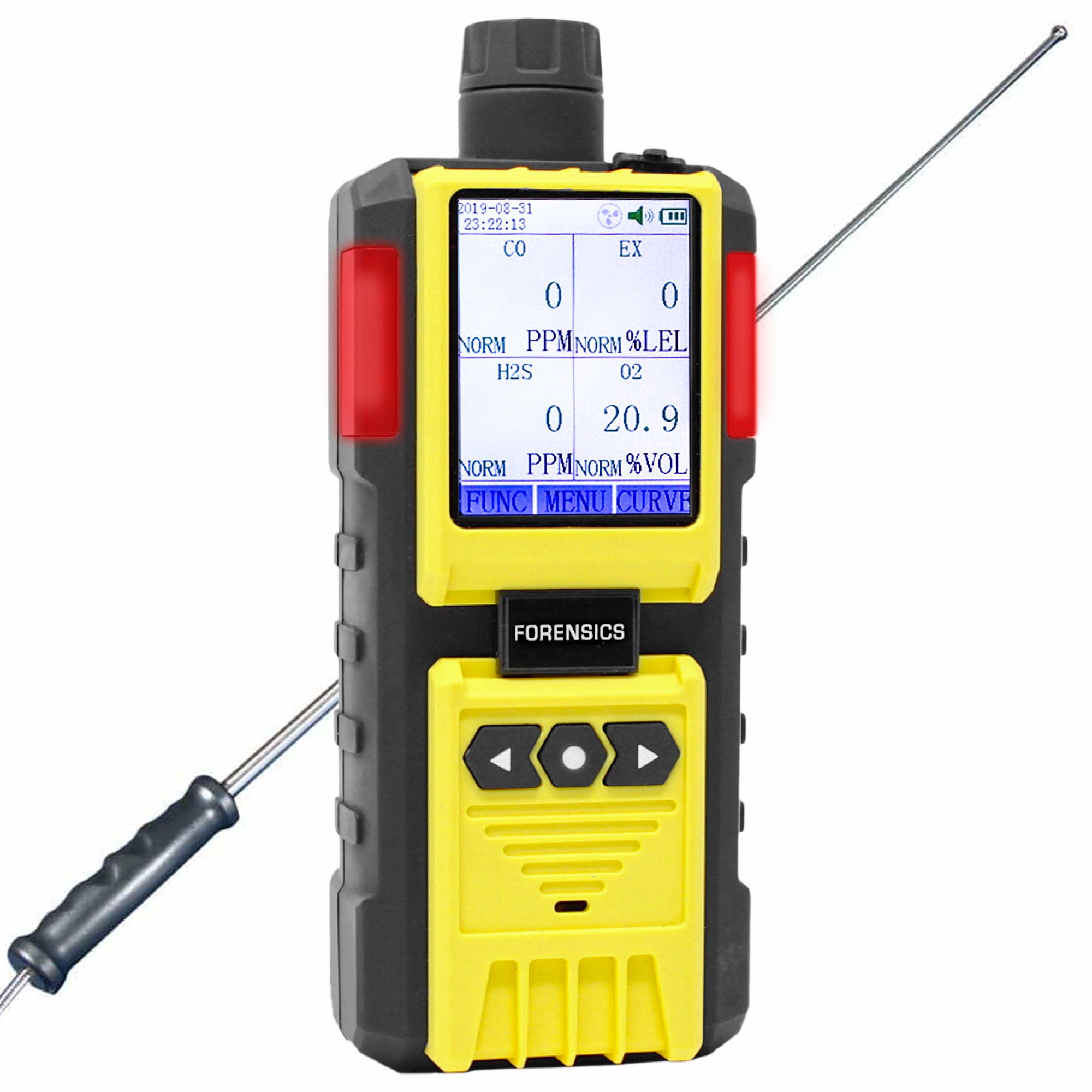
Gas detectors are designed to observe the front of dangerous gases in the air and alert users when gas concentrations go past a safe limen. These tools are requisite for protecting workers in environments where gas leaks can pass suddenly, such as confined spaces or industrial areas. Gas detectors typically feature alarms that go off when cyanogenetic gases or oxygen levels fall to dodgy levels.
Key Features of Gas Detectors:
Quick Detection: Gas detectors ply immediate alerts when gas concentrations strain hazardous levels.
Portability: Many detectors are handheld and whippersnapper, offering tractableness for use in various environments.
Real-Time Monitoring: Gas detectors supervise and alert to chanceful gas leaks in real time, serving to keep accidents before they intensify.
Gas detectors are ideal for environments where quick sue is needed. They are often used in construction sites, chemical substance plants, oil rigs, and even homes for safety against carbon monoxide and other life-threatening gases.
What Are détecteur de HF Analyzers?
While gas detectors are convergent on alerting users to potential dangers, gas analyzers are studied to cater elaborated depth psychology of gas compositions in the . These can quantify the of different gases with a high tear down of precision, making them useful in explore, tone verify, state of affairs testing, and regulatory compliance.
Advantages of Gas Analyzers:
High Precision: Gas analyzers measure gas concentrations accurately, often at a level of parts per zillion(ppm) or parts per one thousand million(ppb).
Multi-Gas Detection: These can simultaneously observe and measure various gases, offering comp air tone analysis.
Data Logging and Reporting: Gas analyzers often let in features like data logging and integrating with systems for submission with state of affairs regulations.
Gas analyzers are typically used in more restricted environments, such as laboratories, manufacturing facilities, and explore areas where consecutive monitoring and punctilious data are required.
Gas Detectors vs. Gas Analyzers: Which One Is Right for You?
Understanding the difference between gas detectors and gas analyzers can help you pick out the right tool based on your safety or monitoring needs.
Choose a Gas Detector If:
Immediate Safety Alerts: You need a quickly and trustworthy warning system for gas leaks.
Portability: You need a jackanapes, easy-to-carry for mobile applications.
Risk of Toxic Gas Exposure: You want to protect workers in high-risk areas from harmful gas concentrations.
Choose a Gas Analyzer If:
Precise Data Measurement: You need accurate, vicenary data on gas compositions.
Multiple Gas Detection: You need to monitor several gases simultaneously for more comprehensive examination psychoanalysis.
Regulatory Compliance: You need to follow with environmental or safety standards requiring elaborated reportage.
Conclusion
Both gas detectors and gas analyzers suffice critical roles in safeguarding against wild gas . Gas detectors are best for fast signal detection and alerting users to suicidal concentrations, making them apotheosis for refuge in situations. Gas analyzers, on the other hand, ply in-depth, hairsplitting data for monitoring gas levels and ensuring compliance in restricted settings.
Choosing between these tools depends on your particular needs whether you need immediate alerts or careful gas writing analysis. Regardless of your selection, investing in the right will raise safety, tighten risks, and control a fitter, more procure working environment.